 In previous issues we talked about getting the yard ready for seeding
and picking out the right grass seed for the project. Now it is time to
get it planted!
In previous issues we talked about getting the yard ready for seeding
and picking out the right grass seed for the project. Now it is time to
get it planted!Fall is the best time of the year for planting tall fescue lawns. Grass seed planted from now through mid-October has plenty of time to get established before winter. Fall planting also give new grass plants as much time as possible to grow and establish before next summer’s heat and dry weather.
Getting new grass seed to grow successfully in your yard
really isn’t that difficult if you pay attention to some important
details.
1) Calculate the right amount of seed and spread uniformly.
2) Lightly incorporate the seed into the upper surface of the soil.
3) Apply a good starter fertilizer. We always use Fertilome New Lawn Starter.
4) Keep the new seed bed evenly moist.
5) Prepare to enjoy great results!
Now let’s look at each of those steps in a little more detail.
How much seed do you need? The answer to this
question starts with a quick measurement of the yard. Pull out the tape
measurer, step it off, look at site plans, just do whatever it takes to
get a pretty good idea of your square footage. Once you have that
number, it’s time to do some math.
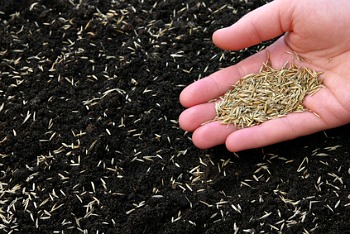
Our Premium Tall Fescue Blend should be seeding at a rate of
6-8 pounds of seed for every 1,000 square feet. If you are overseeding
into an existing lawn, cut that rate in half (3-4 lbs./1,000 sq. ft.).
This rate is important. It will give you a stand that is dense enough to give good coverage but not so crowded that individual grass plants will struggle from competition. If you seed at a lighter rate, you will notice that your lawn is thin, clumpy and more prone to weeds. Conversely, lawns seeded at higher rates might look great this fall but will struggle and often fail due to overcrowding as they head into the stresses of next summer. So do the math...it’s important. If you need help with it, let us know.
This rate is important. It will give you a stand that is dense enough to give good coverage but not so crowded that individual grass plants will struggle from competition. If you seed at a lighter rate, you will notice that your lawn is thin, clumpy and more prone to weeds. Conversely, lawns seeded at higher rates might look great this fall but will struggle and often fail due to overcrowding as they head into the stresses of next summer. So do the math...it’s important. If you need help with it, let us know.
Once you know your square footage, you can easily calculate
the amount of grass seed needed. Using that amount of seed, and only
that amount, spread it uniformly over your area. A broadcast spreader
works best for this. If you don’t have one, we sell them and we rent
them just for these kinds of projects. The spreader setting isn’t all
that important, just set it high enough that seed is coming out, but low
enough that it isn’t coming out too fast. Your goal should be to make
2-3 complete passes over the yard, making each pass in a different
direction, before running out of seed. Applying a little bit of seed on
multiple passes ensures that you are getting your seed spread out
evenly, kind of like putting on several light coats of paint instead of
one heavy one.
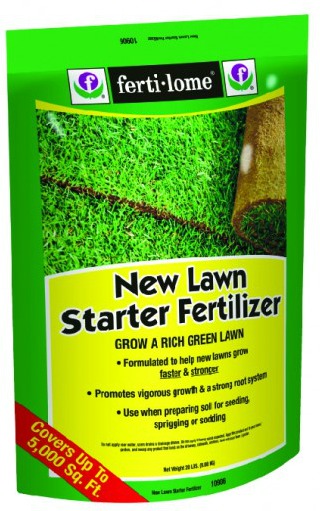 Feed the seed. Starter fertilizers are used to make sure
newly developing grass plants have the nutrients they need to support
rapid development and good roots. We use Fertilome New Lawn Starter. You
should use this any time you are planting grass seed or installing sod
to your lawn. It should be applied at the same time the seed goes down
or in the case of sod, before the sod is rolled out. This ensures that
vital plant nutrients are readily available as soon as the first root
tips emerge from the new seed. If you have done the math to figure out
how much seed you will need, figuring out how much starter fertilizer
will easy. We have different sized bags for different sized areas and
will help you get the right amount of starter fertilizer for your
project.
Feed the seed. Starter fertilizers are used to make sure
newly developing grass plants have the nutrients they need to support
rapid development and good roots. We use Fertilome New Lawn Starter. You
should use this any time you are planting grass seed or installing sod
to your lawn. It should be applied at the same time the seed goes down
or in the case of sod, before the sod is rolled out. This ensures that
vital plant nutrients are readily available as soon as the first root
tips emerge from the new seed. If you have done the math to figure out
how much seed you will need, figuring out how much starter fertilizer
will easy. We have different sized bags for different sized areas and
will help you get the right amount of starter fertilizer for your
project.
Apply it in the same way you did with the seed, several light
applications over multiple passes to ensure even distribution using
only the required amount of fertilizer based on your square footage
calculations.
Incorporate the seed. Grass seed needs to be
incorporated into the upper surface of the soil. This helps keep the
seeds moist in between waterings and projects newly emerging roots. When
seeding bare ground, lightly rake seed in, trying not to cover it with
more than about ¼” of an inch of soil. If overseeding an existing lawn,
use overseeding equipment like a verti-slicer, power rake or core
aerating machine. You can find them at most rental companies. These will
help provide good seed/soil contact without destroying the existing
stand of grass.
Now add water. When grass seed soaks up water,
the germination process is triggered. As long as the seed stays moist
and the newly emerging roots aren’t allowed to dry out (good seed/soil
contact) your new grass plants should develop nicely. If things do get
too dry during this germination process, the newly developing grass
seedling dies. At this point, no amount of water can bring it back to
life. So once you start watering...stay with it!
So, how much water is enough? Start every project with a good
thorough watering once your seed and fertilizer has been applied. From
that point on, just lightly water as needed to keep the soil surface
from drying out. Remember, your grass seed should be no more than ¼”
deep so short sprayings of water should be sufficient to remoisten soil
to that depth. This may mean watering once a day or it may mean watering
several times a day. Do whatever it takes but don’t let things dry out.
All it takes is one dry afternoon to damage your stand. And remember,
if you have done a good job of soaking things up to begin with, only
light watering is needed at this point. New tall fescue plants emerge in
about a week. Once everything is up, you can slowly reduce watering
frequency.
Enjoy your results! Now your new grass is
growing and things are looking green again. Continue to water
occasionally if needed, soaking more deeply as the plants grow older and
roots grow deeper. As soon as your new grass is tall enough to be cut
by your normal mower setting (somewhere around 3 ½“ is a good cutting
height for tall fescue), start mowing. Within a few cuttings, you will
notice your new lawn thickening up and improving in appearance. Keep
mowing until winter sets in. In most cases, you can clean up any
broadleaf weeds by early November with Fertilome.
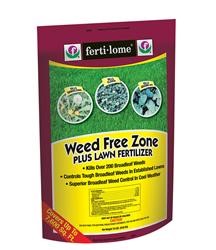
Weed-Free Zone and definitely apply Fertilome Winterizer to finish off the fall season around the same time.
Weed-Free Zone and definitely apply Fertilome Winterizer to finish off the fall season around the same time.
If you have question or need any help, please let us know. Good luck!

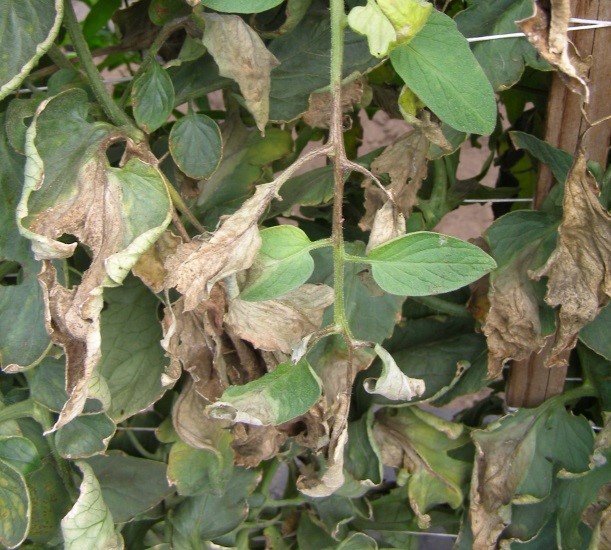 Tomatoes -
One of the more common complaints about tomato plants is related to
leaf diseases. Early Blight and Septoria Leaf Spot are common in our
vegetable gardens and often end the tomato season prematurely.
Tomatoes -
One of the more common complaints about tomato plants is related to
leaf diseases. Early Blight and Septoria Leaf Spot are common in our
vegetable gardens and often end the tomato season prematurely.
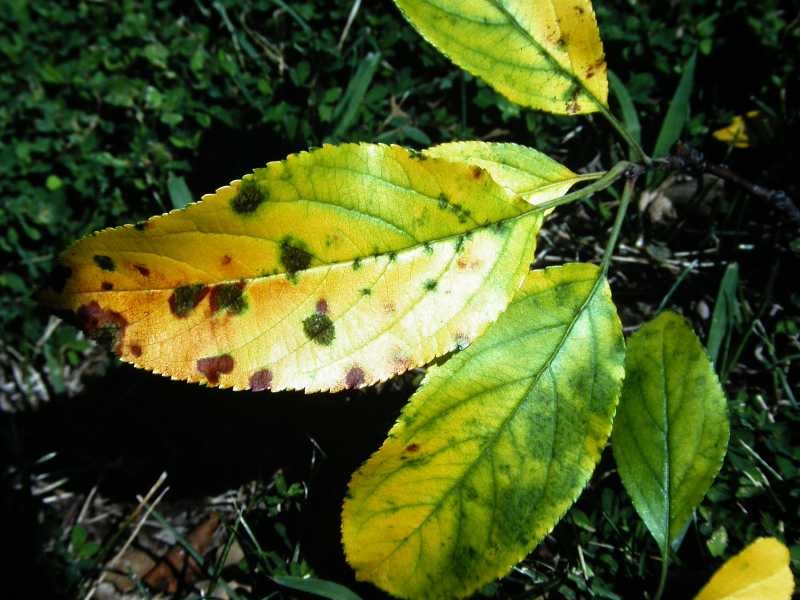 Fruit Trees -
If you have done a good job keeping your fruit trees sprayed for leaf
and fruit diseases already, don’t stop now! If you haven’t been applying
anything, you may need to get started. We have several good
Fruit Trees -
If you have done a good job keeping your fruit trees sprayed for leaf
and fruit diseases already, don’t stop now! If you haven’t been applying
anything, you may need to get started. We have several good 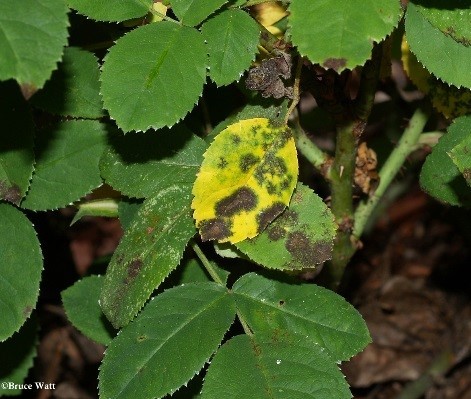 Roses -
 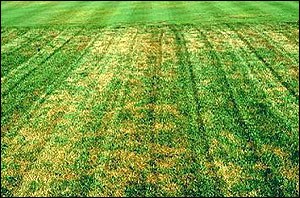 Lawns -
  Many homeowners find that all the great growth of spring also brings
along with it a noticeable growth of weeds in the lawn...weeds that
don’t look good and that are choking out the lawn.
Many homeowners find that all the great growth of spring also brings
along with it a noticeable growth of weeds in the lawn...weeds that
don’t look good and that are choking out the lawn.